2026 Winners Announced! | See the Winners in the Gallery→
Juror Feature
Juror Andrii Kravchenko,Product Design Lead,Callers AI
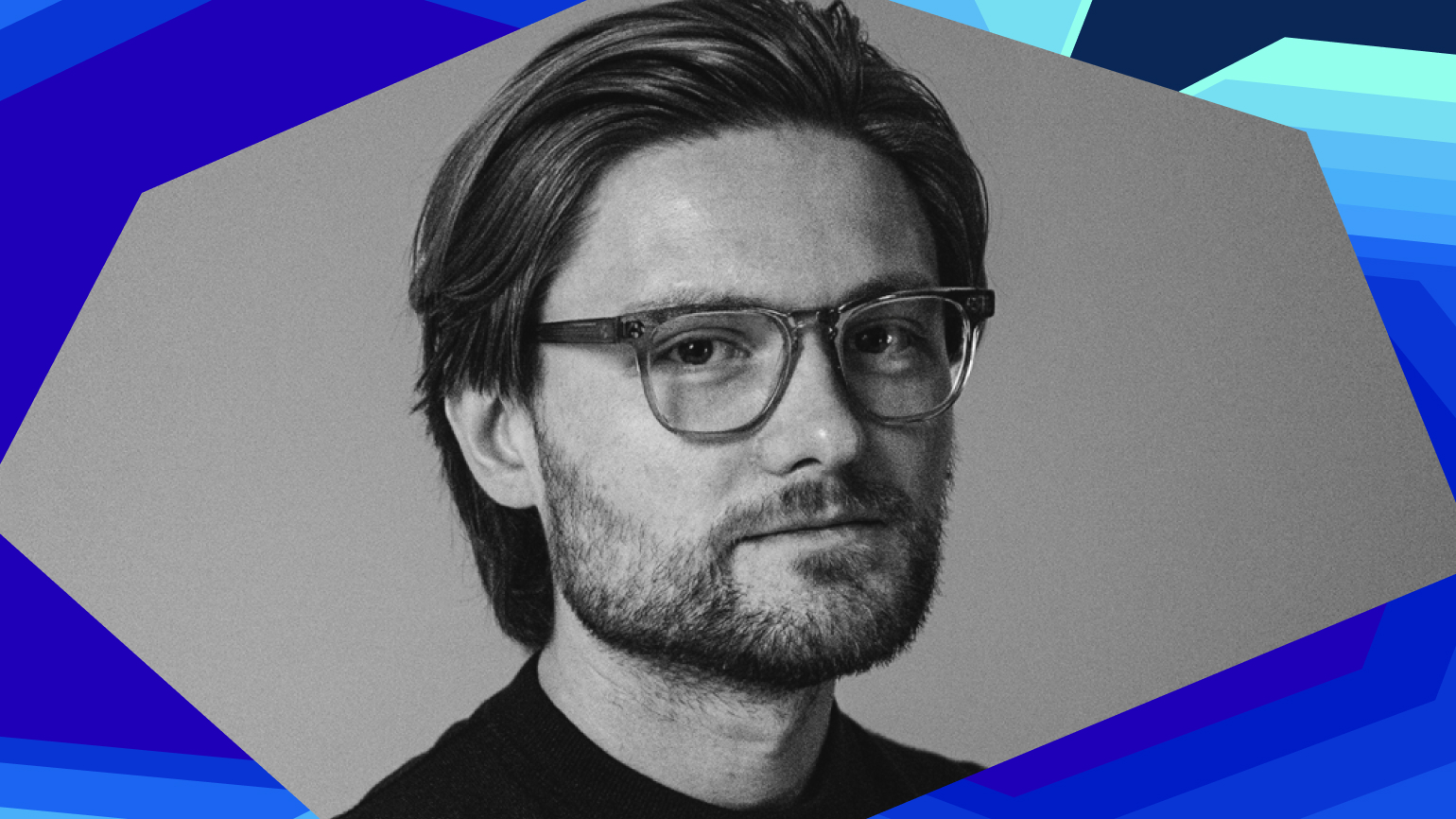
Music has shaped the way Juror Andrii Kravchenko thinks, teaching him to question assumptions and skip the safe choice, and that attitude still drives his work today. As Product Design Lead at Callers AI, he designs the conversational experiences and AI-powered workflows that help businesses talk to their customers. His inspiration comes from just about everywhere, from old interfaces to Japanese train maps, and he believes great ideas don’t need massive teams or perfect conditions. Read on to see why he thinks the best work tells a story, not just shows off visuals.
What does a typical day look like for you?
My days usually start with family and taking my son to school. Since many of the teams and founders I work with are spread across different parts of the world, mornings are often a mix of client calls, strategy discussions, and breakfast somewhere in between.
I try to dedicate the first half of the day to the most important work before the noise of the day kicks in. Around lunchtime, I almost always go for a walk. It helps me reset, organize my thoughts, and stay active, especially when spending so much time sitting and building digital products.
The second half of the day is usually focused on design work, product thinking, and collaboration with teams and clients. Evenings are for family, although startup life often means working late into the night, which I genuinely enjoy. Whenever I can, I end the day by reading. It helps me slow down and clear my head before sleep.
What was your first job?
My first job was at a design agency in Kyiv, Ukraine. It was a fast-paced and often stressful environment, very different from product design, but it taught me how to work under pressure, collaborate with a team, and move quickly. I was also lucky to have a great mentor early on, which shaped the way I approach design and teamwork today.
Over time, I realized I was more drawn to building products long-term rather than working in an agency setting. I enjoyed going deeper into strategy, user experience, and systems thinking, which eventually led me into the startup and product world.
Do you have any brainstorming rituals? What are they?
I always start by understanding the actual problem we’re trying to solve before jumping into visuals or features. From there, I usually look for inspiration in unexpected places, not just design. I’m interested in how ideas move across completely different industries and cultures. Sometimes inspiration comes from architecture, films, fashion, automotive design, music equipment, old interfaces, street signage, magazines from the early internet era, or even the way airports and subway systems guide people through space.
I think this is still one of the biggest advantages humans have over AI. Great design often comes from connecting things that normally have nothing to do with each other. A workflow can be inspired by the simplicity of a Japanese train map, an onboarding flow can borrow ideas from video games, or a product system can feel more intuitive because it follows patterns people already know from everyday life. Even fashion, industrial design, or the way people interact with physical objects can influence how a digital product feels.
For me, brainstorming is less about chasing trends and more about collecting unexpected references and turning them into something new and meaningful.
When did you know that this career was what you wanted to do? Honestly, I didn’t originally plan to become a Product Designer. Growing up, I was much more interested in music and creative expression. I started in web design because I had always loved drawing and visual creativity, and it felt like a natural path that came easily to me.
Over time, I realized design was much more than making things look good. I became obsessed with solving problems, shaping experiences, and building products people genuinely use every day. But I think I truly fell in love with this career when AI and vibe coding started changing the way products are built. Suddenly, I could move beyond static mockups and bring ideas to life much faster, experimenting, building, and thinking more like a creator than just a designer.
What still excites me most is finding smart solutions to complex problems and making them feel simple, intuitive, and visually beautiful at the same time.
Do you have any hobbies that shape your work today?
Music probably shaped the way I think more than anything else. I grew up on punk music and spent years playing in a punk band, which had a huge influence on how I approach creativity and design today. That culture taught me to question common assumptions, think independently, and not be afraid of unconventional ideas or bold decisions.
I think that mindset still shows up in my work. I’m naturally drawn to products and experiences that feel original rather than safe or overly polished. Punk culture also taught me that great ideas don’t always come from massive teams or perfect conditions. Sometimes the most meaningful things are built fast, honestly, and with real energy behind them.
What’s one thing you wish you knew when you first started your career?
One thing I wish I understood earlier is that design leadership has much less to do with being the smartest designer in the room and much more to do with how you handle feedback, uncertainty, and collaboration.
Early in my career, I used to take feedback personally because it felt like people were judging the work and, by extension, me. Over time, especially working with startups, cross-functional teams, and high-pressure environments, I realized that great product designers aren’t just defending pixels. They’re helping teams align around problems, priorities, and outcomes.
I’ve learned that the best feedback conversations happen when you stop reacting emotionally and start listening for the real concern behind the comment. Sometimes a request about a button, color, or layout is actually about trust, business goals, user confusion, or fear of making the wrong decision.
That shift changed the way I work completely. Today, I see design less as decoration and more as leadership through communication, clarity, and decision-making.
What are you looking for in entries this season?
I think the strongest award entries tell a story rather than just showcase visuals. People should immediately understand the problem, the thinking behind the solution, and the impact it created. Great work is not only about aesthetics. It should make people feel something, whether that’s excitement, trust, curiosity, simplicity, or even surprise.
I also believe the best entries are accessible to everyone, not just designers. If someone outside the industry can quickly understand the value, the challenge, and why the solution matters, that usually means the work is communicating clearly. Strong storytelling, clarity, and emotional connection are often what make projects memorable.
Entries in the Davey Awards are evaluated by experts including Andrii. The Winners Announcement is coming up next week! See past winners in our Winners Gallery.